Have you ever looked closely at a cannabis flower and noticed that it seems to be covered in tiny, sparkling crystals? That frosty appearance isn’t just for show. Those little structures are called trichomes, and they play an important role in what makes cannabis unique.
While they might be easy to overlook, trichomes are responsible for producing and storing many of the compounds that give cannabis its distinctive aromas and characteristics. They’re also one of the reasons two strains can look, smell, and feel so different from one another.
Whether you’re new to cannabis or simply curious about what makes certain flower stand out, understanding trichomes can help you become a more informed shopper.
What Exactly Are Cannabis Trichomes?
Trichomes are tiny, hair-like structures found on the surface of many plants, including cannabis. The word comes from the Greek trichoma, meaning “hair,” although cannabis trichomes often look more like miniature mushrooms when viewed under magnification.
On cannabis plants, the most recognizable trichomes are the glandular structures that produce and store cannabinoids and terpenes.
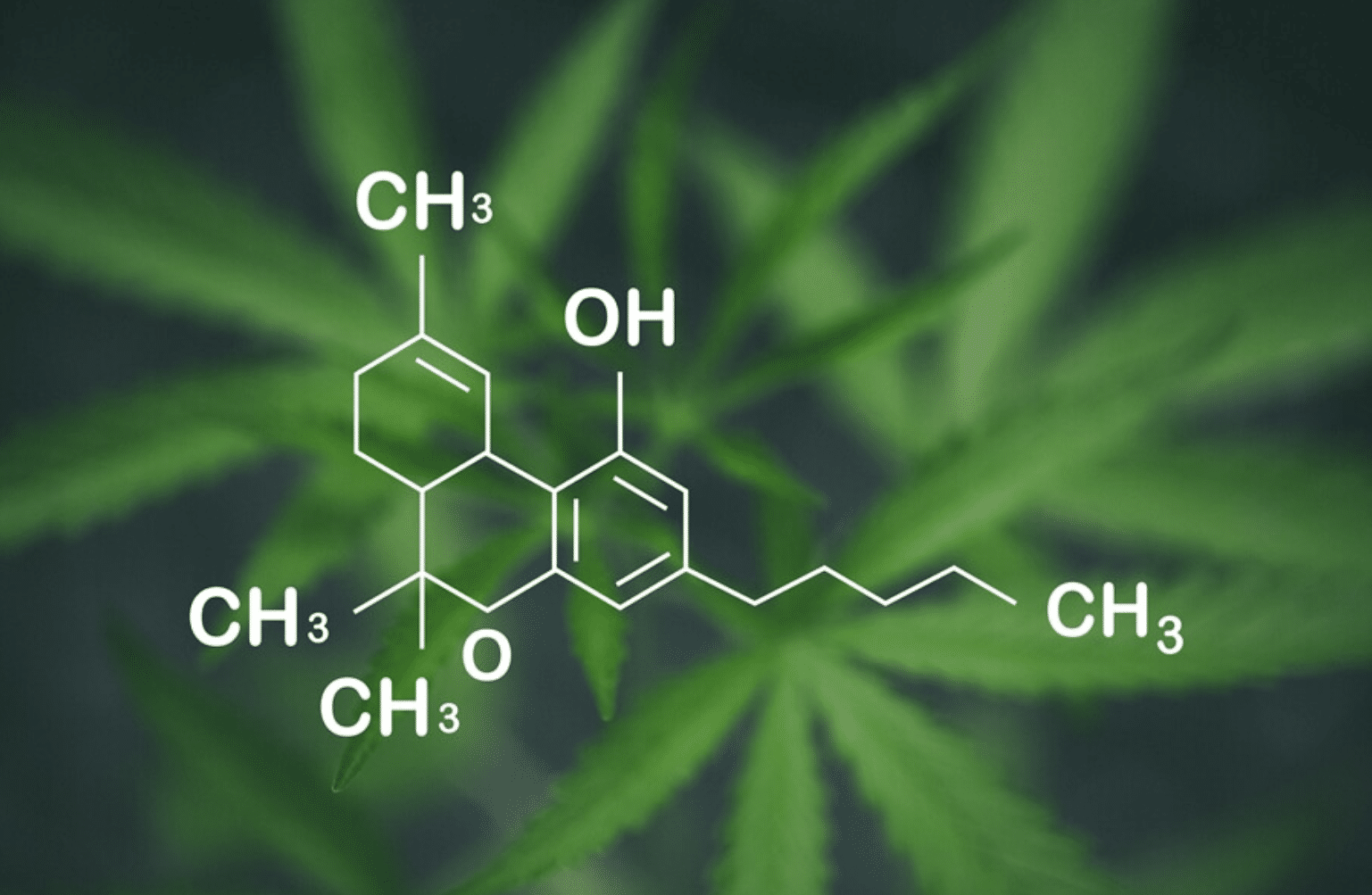
Cannabinoids are compounds such as THC and CBD, while terpenes contribute to the aromas associated with different cannabis varieties. Together with other plant compounds, they help shape the chemical profile of a particular flower.
Not all trichomes are identical, and not every trichome produces the same amount of these compounds. But the glandular trichomes covering cannabis flowers are especially important to the plant’s chemistry.
Why Do Cannabis Plants Have Trichomes?
Trichomes aren’t there for decoration. They’re part of the plant’s natural defense system.
In the wild, these structures can help protect plants against environmental stressors, insects, and certain herbivores. Some trichomes also contribute to the plant’s physical barrier against outside conditions.
For cannabis, the compounds produced within glandular trichomes are part of this protective chemistry.
Interestingly, the same structures that help protect the plant are also responsible for many of the characteristics people associate with cannabis flower.
The Three Main Types of Glandular Cannabis Trichomes
Cannabis plants have several kinds of trichomes, but three glandular types are particularly relevant when discussing flower quality and cannabinoid production.
Bulbous Trichomes
Bulbous trichomes are extremely small and can appear across the plant’s surface. They’re difficult to see without magnification and generally contain relatively small amounts of resin.
Capitate-Sessile Trichomes
These trichomes have a rounded glandular head with little or no visible stalk. They’re larger than bulbous trichomes and can contribute to the plant’s production of cannabinoids and terpenes.
Capitate-Stalked Trichomes
These are the trichomes most people picture when they think of frosty cannabis flower.
They have a stalk supporting a rounded glandular head and are especially abundant on mature female cannabis flowers. Capitate-stalked trichomes are major sites of cannabinoid and terpene production and storage.
Under magnification, they can resemble a field of tiny, translucent mushrooms.
Why Are Trichomes Important to Cannabis Quality?
Trichomes are closely associated with the resin that contains many of cannabis’s cannabinoids and terpenes.
That makes them an important part of understanding cannabis quality, but there’s one common misconception worth clearing up: more visible trichomes don’t automatically mean better cannabis.
A flower with a heavy coating of crystals may look impressive, but appearance alone can’t tell you its THC percentage, terpene profile, freshness, or overall quality.
Genetics, cultivation conditions, harvesting, drying, curing, and storage all influence the final product.
A well-grown flower should be evaluated as a whole, rather than judged solely by how frosty it looks.
If you’re interested in understanding the numbers behind a product, our guide to reading cannabis product labels is another useful place to start.
What Do Clear, Cloudy, and Amber Trichomes Mean?
You may have heard growers discuss trichomes changing color as cannabis matures.
Under magnification, glandular trichome heads can appear clear, cloudy, or amber, depending on the plant and its stage of development.
- Clear trichomes: Often associated with earlier stages of glandular development.
- Cloudy or milky trichomes: Commonly observed as flowers mature.
- Amber trichomes: Can develop as trichomes age and their chemistry changes.
Growers sometimes use these visual changes as one factor when deciding when to harvest.
However, trichome color isn’t a precise measure of THC content, and it can’t reliably predict whether a product will feel energizing, relaxing, or sedating. Those characteristics depend on more than appearance alone.
For consumers, the important takeaway is that trichome color can offer clues about plant maturity, but it isn’t a substitute for laboratory testing.
Do Trichomes Affect the Smell and Flavor of Cannabis?
Absolutely.
Many of the aromatic compounds associated with cannabis are produced in glandular trichomes. These include terpenes, which help create the distinctive scents of different varieties. You can learn more about terpenes here.
Depending on the terpene profile, cannabis may have citrusy, pine-like, floral, earthy, or other aromas.
This is why two flowers can look somewhat similar but smell completely different.
Trichomes are also delicate. Excessive handling, heat, light, and poor storage conditions can affect the resin and aromatic compounds associated with them.
That’s one reason proper cannabis storage matters.
How Do Trichomes Relate to Concentrates?
Trichomes also play an important role in the production of cannabis concentrates.
Products such as traditional hash and certain solventless concentrates involve collecting or separating resin-rich material from cannabis plants.
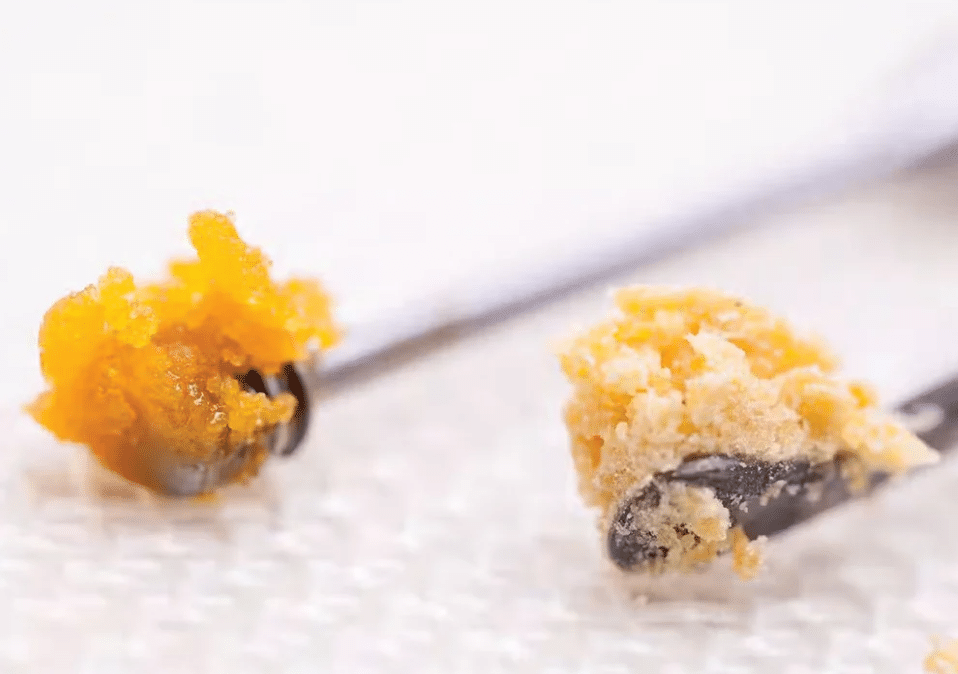
For example, bubble hash is made by mechanically separating trichome-rich material using ice water and filtration. Rosin is produced by applying heat and pressure to cannabis flower or hash.
Other concentrates use different extraction processes to collect cannabinoids and other compounds.
If you’ve ever wondered how these products differ, our guides to cannabis concentrates and live resin versus live rosin explore those distinctions in more detail.
Can You See Cannabis Trichomes Without a Microscope?
Yes, at least some of them.
The frosty or sparkling coating visible on many cannabis flowers comes largely from glandular trichomes. However, their individual shapes are difficult to distinguish with the naked eye.
A jeweler’s loupe or small magnifying lens can make them much easier to observe.
When examining flower, you may notice that some varieties appear especially frosty, while others have a more subtle coating.
Both can be quality products. The appearance of trichomes is only one piece of the bigger picture.
How to Protect Trichomes When Storing Cannabis
Because trichomes and the compounds associated with them can be affected by environmental conditions, proper storage helps preserve cannabis flower.
A few simple habits can make a difference:
- Keep flower in an airtight container designed for cannabis storage.
- Store it somewhere cool, dark, and dry, away from direct sunlight.
- Avoid leaving containers in hot cars or near windows.
- Handle flower gently rather than repeatedly squeezing or crushing it.
- Avoid unnecessary exposure to air and extreme temperatures.
These steps help maintain freshness and reduce the deterioration of sensitive compounds over time. Learn more about helpful ways to store your cannabis here.
Understanding Cannabis Beyond the Frost
Trichomes might be tiny, but they’re an essential part of the cannabis plant.
They help produce and store many of the compounds responsible for cannabis’s chemical makeup, aroma, and distinctive characteristics. They also explain why certain flowers develop that familiar frosty appearance.
Still, the best way to evaluate cannabis is to look beyond appearance. Product testing, freshness, proper storage, and personal preferences all matter when deciding what works for you.
At Local’d, we believe understanding what you’re purchasing should be just as easy as getting it delivered. We offer licensed medical cannabis delivery throughout Washington, DC, making it convenient for eligible patients to explore flower, pre-rolls, concentrates, and other products without leaving home.
Browse our current selection and discover what’s available for delivery in your neighborhood.