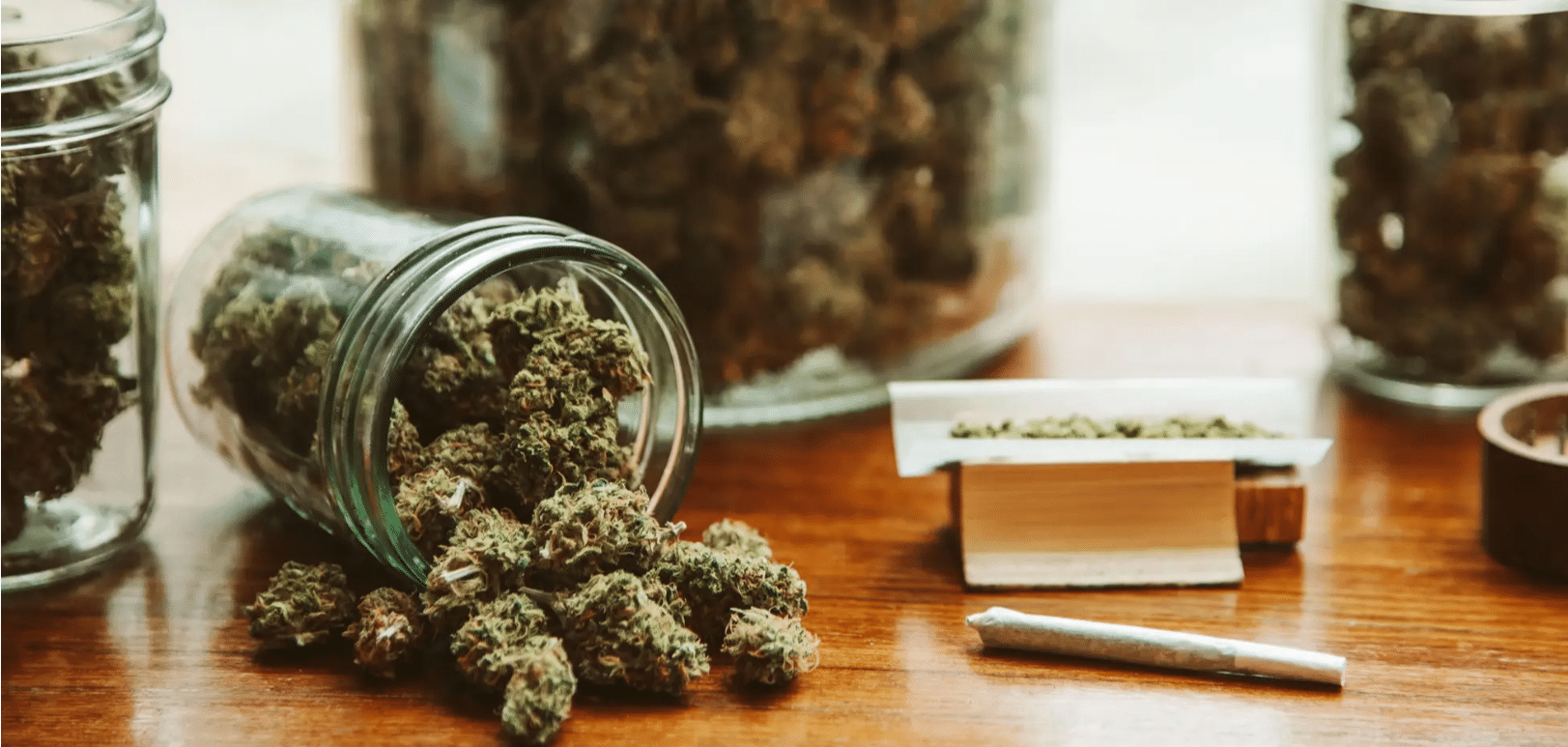
Open two jars of cannabis flower and you’ll probably notice something immediately: they don’t smell the same. One might smell citrusy and bright. Another might be earthy, piney, fruity, floral, or even a little peppery. Those differences aren’t random. A big part of what gives cannabis its distinctive aroma and flavor comes from naturally occurring compounds called terpenes. But terpenes aren’t exclusive to cannabis. They’re found throughout nature, including in fruits, herbs, flowers, and trees.
If you’ve ever wondered why one cannabis strain smells like lemons while another reminds you of pine, this Cannabis 101 guide is for you.
What Are Terpenes?
Terpenes are aromatic compounds produced naturally by many plants. They’re responsible for much of the scent and flavor we associate with things like:
- Lemons
- Lavender
- Pine trees
- Oranges
- Rosemary
- Basil
- Black pepper
Cannabis plants can produce many different terpenes, and the particular combination found in a cultivar helps create its unique aroma and flavor profile.
Think of terpenes almost like a plant’s aromatic fingerprint. Two cannabis products can contain similar amounts of THC while smelling and tasting completely different because their terpene profiles aren’t the same.
Do Terpenes Get You High?
Not in the same way THC does. THC is the primary intoxicating cannabinoid in cannabis. Terpenes, on the other hand, are primarily known for their aroma and flavor. Researchers are also studying how terpenes may interact with cannabinoids and the human body, but many claims you’ll see online about specific terpenes producing guaranteed effects are stronger than the available evidence supports.
That’s an important distinction.
A terpene profile can be useful information when comparing cannabis products, but it shouldn’t be treated as a guarantee of exactly how a product will make you feel.
Why Do Terpenes Matter in Cannabis?
For most consumers, there are three big reasons to pay attention to terpenes:
Aroma
Terpenes are a major reason cannabis can smell citrusy, fruity, floral, earthy, spicy, or piney.
Flavor
They also contribute to the flavor experienced when cannabis is consumed.
Product Selection
Once you begin noticing which aromas and terpene profiles you prefer, they can become another useful tool for comparing products.
Instead of choosing cannabis based only on THC percentage or whether something is labeled indica or sativa, you can start looking at the product’s broader chemical profile.
Common Cannabis Terpenes
Cannabis can contain many different terpenes, but there are several you’ll see frequently on product labels and menus.
Myrcene
Common aromas: Earthy, herbal, musky
Myrcene is one of the more commonly occurring terpenes in cannabis. It’s also naturally found in plants such as hops, thyme, and mangoes. You’ll often see myrcene associated with earthy or herbal-smelling cannabis varieties.
Limonene
Common aromas: Citrus, lemon, orange
If a cannabis product has a strong citrus aroma, limonene may be part of the reason. Limonene is also found naturally in the peels of citrus fruits such as lemons and oranges. Its bright, recognizable aroma makes it one of the easier terpene profiles for beginners to identify.
Pinene
Common aromas: Pine, fresh herbs
As the name suggests, pinene has an aroma commonly associated with pine trees. It’s also found in rosemary, basil, and other plants. If you’ve ever opened cannabis flower and immediately thought, “That smells like a forest,” there’s a good chance pinene is contributing to the aroma.
Linalool
Common aromas: Floral, lavender-like
Linalool is commonly associated with floral aromas and is also naturally present in lavender. Cannabis containing noticeable amounts of linalool may have a softer, more floral scent compared with citrus-heavy or earthy varieties.
Caryophyllene
Common aromas: Peppery, spicy, woody
Caryophyllene is commonly found in black pepper, cloves, and cinnamon. It can contribute a spicy or peppery character to a cannabis product’s aroma. Interestingly, beta-caryophyllene is unusual among terpenes because research has shown it can interact with CB2 cannabinoid receptors, although that doesn’t mean consumers should expect a particular effect from every caryophyllene-rich product.
Terpinolene
Common aromas: Floral, herbal, citrusy
Terpinolene can be a little harder to describe because its aroma can combine floral, herbal, citrus, and pine-like characteristics. It’s also found naturally in plants such as nutmeg, apples, and tea tree.
Terpenes vs. THC: What’s the Difference?
This is an important distinction for beginners.
THC is a cannabinoid primarily associated with cannabis’s intoxicating effects.
Terpenes are aromatic compounds primarily responsible for scent and flavor.
When shopping, you’ll usually see THC expressed as a percentage or amount. Depending on the product and retailer, you may also see individual terpene percentages or a total terpene content listed. Neither number tells the entire story by itself.
Does Higher THC Mean Better Cannabis?
No. This is one of the biggest misconceptions among cannabis consumers. A product with 30% THC isn’t automatically “better” than one with 20% THC. Potency is only one characteristic of a cannabis product. Freshness, cultivation, cannabinoid profile, terpene profile, personal tolerance, and individual preference can all influence the experience.
Choosing cannabis solely by finding the highest THC percentage is a little like choosing wine solely by alcohol content. There’s a lot more going on.
What Is the “Entourage Effect”?
You may have heard the phrase entourage effect when researching cannabis. The theory suggests that cannabinoids, terpenes, and other compounds in cannabis may interact with one another and influence the overall experience. It’s an interesting area of cannabis research, but it’s important not to oversimplify it.
Research into these interactions is still developing, and there isn’t enough evidence to say that a particular terpene will reliably create a specific effect for every person. That’s why we prefer to treat terpene information as another piece of the puzzle, rather than a promise.
Terpenes and Indica vs. Sativa
This is where our previous Cannabis 101 guide becomes useful. Traditionally, cannabis products have been divided into:
Indica
Sativa
Hybrid
Those labels can be useful shorthand, but they don’t necessarily predict exactly how a product will affect an individual.
Looking at cannabinoids and terpenes provides additional information about what’s actually in the product. So instead of only asking:
“Is this indica or sativa?”
You might eventually start asking:
“What’s the cannabinoid and terpene profile?”
That’s a much more informed way to compare cannabis products.
How to Read Terpene Information on a Cannabis Label
Not every cannabis label presents terpene information the same way. When it’s available, you may see:
Total terpenes: The combined amount of measured terpenes.
Individual terpenes: A list showing specific compounds such as myrcene, limonene, or caryophyllene.
Percentages: The concentration of individual terpenes within the product.
Don’t worry about memorizing every terpene. Instead, start noticing patterns. If you consistently enjoy products containing certain terpene profiles, that’s useful information for future purchases.
Do Terpenes Matter in Edibles and Vapes?
Terpenes aren’t limited to flower. Depending on how they’re produced, terpene profiles can also play a role in:
- Vape cartridges
- Concentrates
- Extracts
- Some edibles
- Certain cannabis beverages
However, processing and formulation can change the terpene profile considerably compared with the original cannabis flower. That’s another reason to evaluate each finished product on its own rather than assuming everything made from the same strain will be identical.
What’s the Best Terpene for Beginners?
There isn’t one and that’s actually the point. Rather than searching for the “best” terpene, beginners are better off learning what they personally enjoy. Pay attention to:
What did the product smell like?
What did it taste like?
What cannabinoids and terpenes were listed?
How did you personally experience it?
Over time, you may begin noticing patterns in the products you prefer.
The Bottom Line
Terpenes are one of the reasons cannabis is such a diverse plant. They help create the citrus, pine, fruit, floral, spice, and earthy aromas found across different cannabis varieties—and they give consumers another way to understand what’s inside a product beyond simply looking at THC percentage or an indica/sativa label.
You don’t need to memorize dozens of terpene names. Start with a few common ones:
Myrcene → earthy
Limonene → citrus
Pinene → pine
Linalool → floral
Caryophyllene → peppery
Then pay attention to what you enjoy. The more familiar you become with cannabis labels and product profiles, the easier it becomes to make informed choices.
Continue Learning with Local’d Cannabis 101
Still learning the basics? Continue with:
THC vs. CBD: What’s the Difference?
Indica vs. Sativa: What’s the Difference?
Flower vs. Pre-Rolls: What’s the Difference & Which Is Right for You?
Edibles Dosing for Beginners: A Simple, No-Stress Guide
Explore Cannabis in Washington, DC
Local’d offers medical cannabis delivery throughout Washington, DC, with a selection of flower, pre-rolls, edibles, vaporizers, concentrates, beverages, and more.
If you’re looking to learn more about ordering locally, visit our Weed Delivery in DC guide for information about delivery, eligibility, and the neighborhoods we serve.
For registered medical cannabis patients 21+. Please consume responsibly and never drive while impaired.