Cannabis products have come a long way from traditional flower and pre-rolls. Today, medical cannabis patients can choose from a wide variety of formats, including edibles, vape cartridges, concentrates, beverages, and other products designed for different preferences and routines.
One option that doesn’t always receive as much attention is the cannabis tincture.
Tinctures are liquid cannabis preparations that typically come in small bottles with droppers, making them easy to recognize but sometimes a little confusing for people who haven’t used them before. Unlike smoking or vaping, tinctures don’t require inhalation, and unlike conventional edibles, some are designed to be held under the tongue before swallowing.
But how exactly do cannabis tinctures work, how long do they take to produce effects, and what should patients look for when reading the label?
Let’s break it down.
What Is a Cannabis Tincture?
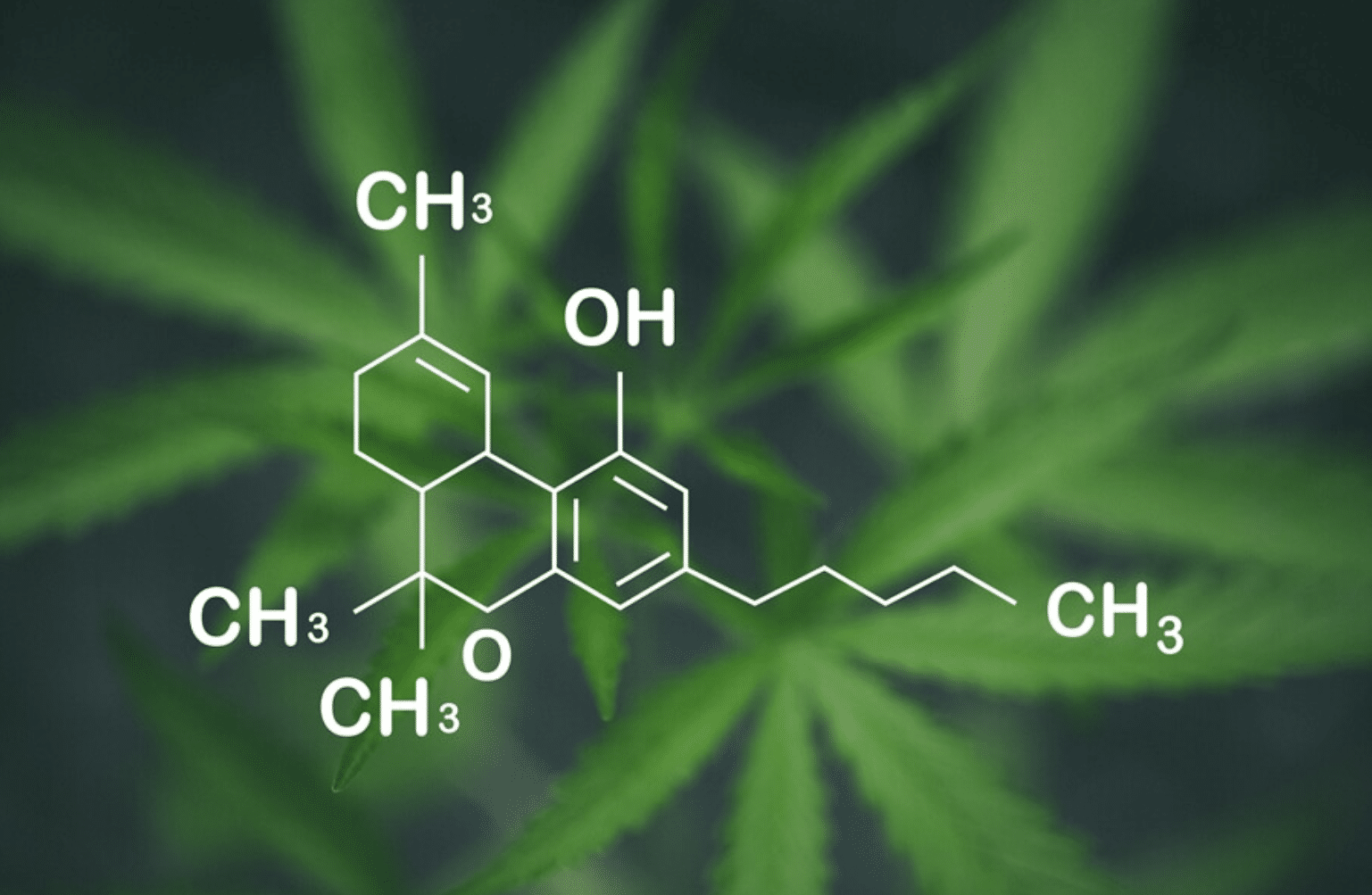
A cannabis tincture is a liquid preparation containing cannabinoids extracted from the cannabis plant.
Traditionally, tinctures are made using alcohol as a solvent, but many products marketed as cannabis tinctures today use carrier oils such as MCT oil instead. These oil-based products are sometimes more accurately described as cannabis oils or oral drops, although the terms are frequently used interchangeably in retail settings.
Depending on the formulation, a tincture may contain THC, CBD, a combination of cannabinoids, or other compounds derived from cannabis.
Most come in small bottles with a dropper or another measuring device, allowing users to measure liquid servings according to the manufacturer’s instructions.
One of the main reasons patients consider tinctures is that they offer an alternative to inhaling cannabis. They can also make it easier to measure a specific labeled amount of cannabinoids compared with some other product formats.
However, the amount absorbed and the effects experienced can still vary from person to person.
How Do Cannabis Tinctures Work?
Cannabis tinctures can be used in different ways depending on the product’s formulation and labeling.
Two of the most common routes are sublingual use and swallowing the liquid.
Sublingual Use: Holding the Liquid Under Your Tongue
Sublingual simply means under the tongue.
Some cannabis tinctures are formulated for patients to place a measured amount beneath their tongue and hold it there for the period specified by the manufacturer before swallowing.
The idea is that some cannabinoids may be absorbed through the tissues beneath the tongue and enter the bloodstream without first passing through the digestive system.
However, actual absorption depends on the formulation, how the product is used, and how much of the liquid is ultimately swallowed.
Not every product labeled as a tincture has demonstrated meaningful sublingual absorption, particularly when comparing alcohol-based preparations with oil-based drops.
That’s why it’s important to follow the instructions for the specific product rather than assuming all tinctures work identically.
Oral Use: Swallowing the Tincture
Other cannabis liquid products are intended to be swallowed directly or added to food or beverages when the label permits.
When swallowed, cannabinoids move through the digestive system and undergo processing in the liver.
For THC-containing products, this process can produce 11-hydroxy-THC, an active metabolite associated with the effects of orally consumed cannabis.
Because digestion and metabolism take time, swallowed cannabis products generally have a slower and less predictable onset than inhaled cannabis.
This distinction is especially important when considering serving sizes and deciding how long to wait before taking more.
How Long Do Cannabis Tinctures Take to Work?
One of the most common questions about cannabis tinctures is how quickly their effects begin.
The answer depends largely on the product and how it is used.
Some formulations used under the tongue may begin producing noticeable effects within approximately 15–45 minutes, although this range isn’t guaranteed and can vary considerably.
When a tincture is swallowed, its effects may take around 30 minutes to two hours to begin, and sometimes longer.
The full effects of orally consumed THC can take several hours to develop.
Several factors influence onset, including the formulation, cannabinoid concentration, amount consumed, food intake, and individual metabolism.
For that reason, patients should avoid assuming that a tincture will always work faster than an edible simply because it comes in liquid form.
Following the product’s instructions and allowing sufficient time before considering another serving can help reduce the risk of unintentionally consuming too much THC.
How Long Do Cannabis Tincture Effects Last?
The duration of a cannabis tincture’s effects also varies.
Products that are swallowed can have effects lasting several hours, similar to other orally consumed cannabis products.
For some patients, effects may persist for six hours or longer, and residual impairment can last beyond the period when the strongest effects are noticeable.
Sublingual products may have a different onset and duration profile, but the results depend on the specific formulation and how much is absorbed through the oral tissues versus swallowed.
There isn’t one universal timeline that applies to every tincture.
Patients should also remember that the absence of a noticeable effect doesn’t necessarily mean the product has finished being absorbed.
Cannabis Tinctures vs. Edibles: What’s the Difference?
At first glance, cannabis tinctures and edibles may seem similar because neither requires smoking or vaping.
But there are some practical differences.
Traditional edibles are foods or beverages infused with cannabinoids, while tinctures are concentrated liquid preparations measured using a dropper or another dosing device.
Some tinctures are intended for sublingual use, while conventional edibles are generally swallowed and processed through the digestive system.
Here’s how they compare:
| Feature | Cannabis Tinctures | Cannabis Edibles |
|---|---|---|
| Product format | Liquid drops | Gummies, chocolates, beverages, and other foods |
| Typical administration | Under the tongue or swallowed, depending on instructions | Swallowed |
| Dosing information | Often expressed in mg per mL or per measured serving | Usually expressed in mg per piece or serving |
| Onset | Depends on formulation and route | Usually delayed by digestion |
| Inhalation required | No | No |
| Duration | Can last several hours | Can last several hours |
Neither format is automatically better than the other.
Some patients prefer the convenience of a ready-to-eat edible, while others appreciate the ability to measure liquid servings.
The most important consideration is understanding the product’s cannabinoid content, intended use, and potential effects.
How to Read a Cannabis Tincture Label
If you’re unfamiliar with tinctures, the label can initially seem more complicated than the packaging on a gummy or pre-roll.
Fortunately, the most important information usually comes down to a few numbers.
Total THC or CBD Content
A bottle may list the total amount of THC, CBD, or other cannabinoids contained in the entire package.
For example, a 30 mL bottle might contain 300 mg of THC.
That number describes the whole bottle, not the amount in a single drop or dropper.
Milligrams Per Milliliter
Many liquid products also list their cannabinoid concentration in milligrams per milliliter (mg/mL).
Using the example above:
300 mg THC ÷ 30 mL = 10 mg THC per mL
That means a measured 1 mL serving would contain 10 mg of THC, assuming the product is uniformly formulated and accurately labeled.
A measured 0.5 mL portion would contain approximately 5 mg.
These calculations are examples of how concentration works, not recommended serving sizes.
Serving Size and Measuring Device
It’s important to check whether the included dropper has volume markings.
A full dropper is not necessarily equivalent to 1 mL, and the amount of liquid in an individual drop can vary.
Patients should use the measuring device specified by the manufacturer rather than estimating servings by counting drops or assuming every dropper holds the same volume.
Ingredients and Testing Information
Beyond cannabinoid potency, review the ingredient list, carrier oil or solvent, product instructions, and available laboratory testing information.
This is particularly important for people with ingredient sensitivities or questions about how the product was manufactured.
Do Cannabis Tinctures Get You High?
That depends on the cannabinoids in the product.
A tincture containing a meaningful amount of delta-9 THC can produce intoxicating effects, including changes in perception, attention, coordination, and reaction time.
Products containing CBD without intoxicating levels of THC generally do not produce the same characteristic high.
However, product labels and formulations matter. Some products marketed primarily around CBD may still contain THC, and different cannabinoid combinations can produce different experiences.
For patients who are unfamiliar with THC, even relatively small amounts may cause noticeable effects.
It’s important to avoid driving or operating machinery while impaired and to keep all cannabis products securely stored away from children and pets.
Are Cannabis Tinctures Safer Than Smoking or Vaping?
Tinctures avoid the inhalation of smoke and the aerosols produced by vaping devices, which may be an important consideration for some patients.
However, avoiding inhalation doesn’t mean that THC-containing tinctures are free of risks.
Potential adverse effects can include dizziness, anxiety, impaired coordination, increased heart rate, and unwanted intoxication.
Orally consumed THC can also be challenging for inexperienced users because the effects may be delayed and last longer than expected.
Cannabis can interact with certain medications, and individual medical conditions may affect whether a particular product is appropriate.
Patients who have health concerns or take prescription medications should consult a qualified healthcare professional before using a new cannabis product.
Are Tinctures Available in Washington, DC?
Cannabis tinctures and other liquid cannabinoid preparations may be offered through licensed medical cannabis retailers in Washington, DC, depending on current inventory and product availability.
Patients should purchase regulated products through authorized businesses and review the product’s labeling and testing information before use.
Washington, DC’s medical cannabis program provides access to eligible patients who meet the District’s registration requirements, including qualifying nonresident patients.
If you’re exploring cannabis tinctures for the first time, it’s worth checking with a licensed retailer about the formulations currently available and how the products are intended to be used.
Frequently Asked Questions About Cannabis Tinctures
Is a cannabis tincture the same as cannabis oil?
Not always. Traditional tinctures are alcohol-based extracts, while many modern cannabis liquid products use carrier oils. In retail settings, however, the terms are often used interchangeably.
Can you put cannabis tinctures in food or drinks?
Some products can be added to food or beverages, but patients should follow the manufacturer’s instructions. Swallowing a tincture may also change how quickly its effects begin compared with sublingual use.
Is one dropper a single dose?
Not necessarily. Dropper capacities vary, and the correct measured serving depends on the product’s concentration and labeling. A full dropper should never automatically be treated as one serving.
Do tinctures work faster than gummies?
Some formulations intended for sublingual absorption may begin working sooner than swallowed edibles. However, this isn’t guaranteed, especially when much of the liquid is swallowed.
Can cannabis tinctures expire?
Yes. Like other cannabis products, tinctures have shelf lives influenced by their ingredients, packaging, storage conditions, and manufacturing process. Patients should follow the product’s labeled expiration date and storage instructions.
Can cannabis tinctures cause a positive drug test?
Yes. THC-containing tinctures can result in THC exposure and a positive drug test. Even products marketed primarily around CBD may contain some THC, depending on their formulation.
Understanding Your Options as a Medical Cannabis Patient
Cannabis tinctures are another example of how many different product formats exist within today’s medical cannabis market.
For some patients, the appeal is the ability to measure liquid servings. For others, it’s the opportunity to explore a non-inhaled product that differs from traditional gummies or other edibles.
But as with any cannabis product, understanding the label is more important than choosing a format based on convenience alone.
Knowing the difference between sublingual and oral use, reviewing cannabinoid concentrations, and allowing enough time for effects to develop can help patients make more informed decisions.
At Local’d, we believe medical cannabis education should be clear, practical, and accessible.
Whether you’re learning about tinctures, comparing edibles, or exploring other product categories, we’re here to help you better understand the products available in Washington, DC’s regulated medical cannabis market.
Local’d provides licensed medical cannabis delivery throughout Washington, DC, with a curated selection of products and customer support during business hours.
Explore Local’d’s medical cannabis menu to see what’s currently available for delivery in your neighborhood.