Walk into almost any cannabis dispensary or browse a menu online and one of the first categories you’ll see is flower.
It may also be one of the most confusing.
One strain might contain considerably more THC than another. Some products are labeled indica, sativa or hybrid. You’ll see different terpene profiles, genetics, package sizes and prices, along with terms like premium flower, smalls and shake. If you’re relatively new to cannabis, it’s easy to wonder what you’re actually supposed to be comparing.
The good news is that choosing cannabis flower doesn’t need to be complicated. Once you understand what flower is and what information on the menu actually matters, comparing products becomes much easier.
Here’s what beginners should know.
What Is Cannabis Flower?
Cannabis flower is the harvested and dried flowering portion of the cannabis plant.
You may also hear it called bud, weed or simply flower. It’s one of the most traditional forms of cannabis and serves as the starting material for many other cannabis products.
After cannabis plants reach maturity, the flowers are harvested and typically dried and cured before being packaged for sale. The exact cultivation, drying and curing processes can influence characteristics such as aroma, moisture and overall quality.
Unlike products such as edibles or vape cartridges, flower hasn’t been transformed into an entirely different format. What you’re purchasing is the dried cannabis flower itself.
Why Are There So Many Different Cannabis Strains?
If you’ve ever opened a cannabis menu and found dozens of strain names, you’re definitely not alone in wondering how anyone keeps track of them.
Cannabis strains, or cultivars, come from different genetic lineages. Breeders cross plants with particular characteristics to create new varieties, which is why you’ll see everything from longstanding names such as Jack Herer to newer genetics with names you’ve probably never encountered before.
Different cultivars can contain different concentrations of cannabinoids and aromatic compounds called terpenes.
That means two packages of cannabis flower can look similar while having very different genetics, aromas and chemical profiles.
This is also why learning a little about a strain can be more useful than choosing something based solely on the name.
What Do Indica, Sativa and Hybrid Mean?
These are probably the three most familiar labels in cannabis.
Traditionally, cannabis products have been divided into indica, sativa and hybrid categories. You’ll still see those terms throughout dispensary menus because they provide a familiar way of organizing products.
However, they don’t tell you everything about how a particular product will affect you.
Modern cannabis genetics are complicated, and many products are hybrids somewhere in their lineage. Individual responses to cannabis can also vary.
Instead of treating indica or sativa as a guarantee of a particular experience, consider it one piece of information alongside the product’s cannabinoids, terpene profile, genetics and your own previous experiences.
We’ve gone much deeper into this topic in our Indica vs. Sativa Cannabis 101 guide.
Does Higher THC Mean Better Flower?
This is one of the biggest misconceptions beginners encounter when shopping for cannabis.
Higher THC doesn’t automatically mean higher-quality flower.
THC percentage tells you something important about the product’s cannabinoid content, but it doesn’t tell you everything about its quality or whether you’ll personally prefer it.
Two strains could have different THC percentages while also having completely different genetics, terpene profiles, aromas and characteristics.
This is why choosing whichever package has the largest number on the label isn’t necessarily the best shopping strategy.
Think of THC as one piece of the puzzle rather than a cannabis quality score.
What Are Terpenes?
Terpenes are aromatic compounds found throughout nature, including in cannabis.
They’re responsible for many of the recognizable aromas associated with different cannabis varieties. Depending on the product, you might notice citrus, pine, floral, earthy, fruity, spicy or fuel-like aromas.
Common cannabis terpenes include myrcene, limonene, beta-caryophyllene, pinene and linalool, among many others.
Terpene profiles can help differentiate one cultivar from another, which makes them another useful piece of information when comparing flower.
If you’ve ever wondered why two strains with similar THC percentages can smell completely different, terpenes are part of the explanation.
Our Cannabis Terpenes Explained guide covers this topic in much more detail.
What Should Good Cannabis Flower Look Like?
Appearance alone can’t tell you everything about cannabis quality, but there are still several things worth noticing.
Cannabis flower can vary significantly in color and structure depending on its genetics. You’ll commonly see shades of green alongside orange or reddish pistils, and some cultivars can develop purple coloration.
You may also notice tiny crystal-like structures covering the flower. These are called trichomes, which are structures where many of the plant’s cannabinoids and terpenes are produced.
Different strains naturally grow differently, though, so there isn’t one universal appearance that all good cannabis flower needs to have.
A dense purple bud isn’t automatically better than a lighter green one simply because it photographs well.
What Are Trichomes?
If you’ve ever looked closely at cannabis flower and noticed a frosty or crystal-like coating, you’re looking at trichomes.
Trichomes are tiny structures on the cannabis plant that contain many of its cannabinoids and aromatic compounds.
They’re also one reason cannabis flower can feel sticky when handled.
You don’t need to examine every purchase under a microscope, but understanding what trichomes are helps explain why cannabis flower can look almost sugar-coated when viewed up close.
What Is the Difference Between Premium Flower, Smalls and Shake?
Cannabis menus sometimes separate flower into several different categories.
Premium flower generally refers to larger, carefully selected buds that a cultivator or retailer considers representative of a particular harvest.
Smalls usually refers to smaller buds from the same cannabis plant. Their appearance and size may differ from larger buds, which can sometimes make them less expensive.
Shake consists of smaller pieces of flower and plant material that separate from larger buds during handling and packaging.
These terms can vary somewhat between producers, so it’s worth reading the actual product description rather than assuming one category automatically tells you everything about quality.
How Much Cannabis Flower Should You Buy?
You’ll commonly see cannabis flower sold in several package sizes.
An eighth refers to approximately 3.5 grams, while larger quantities may include a quarter ounce, half ounce or full ounce. Some brands also offer smaller packages depending on the product and market.
For someone trying an unfamiliar strain, purchasing a smaller amount can provide an opportunity to see whether it’s something you’d want again before committing to a larger quantity.
The packaging and menu should clearly indicate how much flower you’re purchasing.
How Should Cannabis Flower Be Stored?
Proper storage can help protect cannabis flower from unnecessary exposure to light, heat, air and moisture.
A tightly sealed container kept in a cool, dark location is generally a better choice than leaving flower exposed to sunlight or excessive heat.
You also don’t want cannabis sitting somewhere extremely humid or damp.
And, as with all cannabis products, flower should always be stored securely and kept away from children and pets.
How Do You Compare Cannabis Flower on a Menu?
Instead of immediately sorting the menu by THC percentage and picking the largest number, slow down and compare a few pieces of information.
Look at the strain name and genetics, cannabinoid information, terpene profile when available, package size, cultivator and product description.
If you’ve had cannabis before, think about products you enjoyed and see whether there are similarities in their genetics or terpene profiles.
Over time, you may start recognizing patterns in what you prefer.
That’s much more useful than assuming every product labeled “indica” or every flower testing above a certain THC percentage will give you the same experience.
Read the Product Label
Once you’ve chosen a product, the label contains important information beyond the strain name.
Depending on the product and local requirements, cannabis labels can include cannabinoid information, package weight, testing information, batch details, warnings and other product information.
We’ve put together an entire How to Read a Cannabis Product Label guide if you’d like help understanding what those numbers and terms mean.
Learning to read the label is one of the easiest ways to become a more informed cannabis consumer.
Exploring Cannabis Flower in Washington, DC
For registered medical cannabis patients in Washington, DC, Local’d carries flower from licensed brands and cultivators available through DC’s regulated medical cannabis market.
Because strains and harvests rotate, our flower selection changes as new products arrive and others sell out. Rather than relying on an old list of strains, check the current Local’d menu to see what’s available today.
And if you’re interested in a particular cultivator, our new Brand Spotlight series takes a closer look at some of the cannabis brands available in Washington, DC, beginning with our guide to Alt Sol Cannabis.
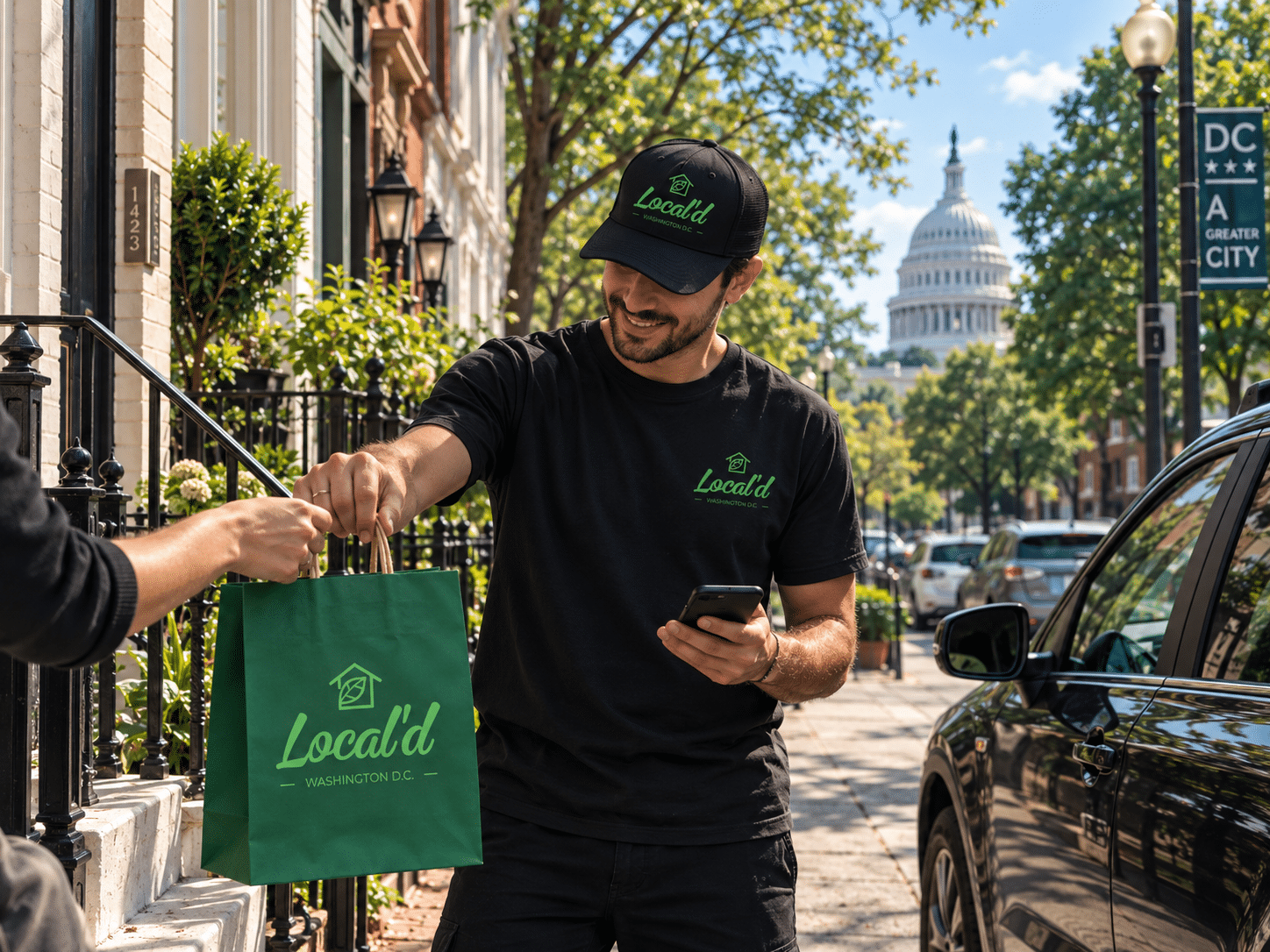
Eligible patients can order online for delivery throughout Washington, DC, with Local’d typically delivering in approximately 30-60 minutes, depending on location, traffic, weather and current order volume.
For more information about ordering, delivery areas and how the process works, visit our complete Weed Delivery in DC guide.
The Bottom Line
Cannabis flower doesn’t need to be complicated.
THC percentage is useful information, but it’s only one part of a much larger picture. Genetics, cannabinoids, terpenes, cultivator, freshness and your own preferences can all play a role in deciding which product makes sense for you.
The more products you encounter, the easier those labels and strain names become to understand. Instead of chasing whatever has the highest THC number, take a little time to learn what you’re actually buying.
That’s exactly what Cannabis 101 is for.