Cannabis labels can be a lot. They usually include the following information: THC percentages, milligrams, serving sizes, terpenes, cannabinoids, batch numbers, testing information.
If you’re new to cannabis, it’s easy to look at a package and wonder “What am I actually supposed to pay attention to?”. The good news is that you don’t need to understand every number on the label to make an informed decision. Once you know a few basics, cannabis labels become much easier to read.
In this edition of Local’d Cannabis 101, we’re breaking down the information you’re likely to see on a cannabis product label and what it can actually tell you about the product you’re buying.
Start With the Product Type
Before worrying about THC percentages or terpene profiles, start with the simplest question:
What kind of cannabis product is this?
Depending on the product, you might be looking at:
- Flower
- Pre-rolls
- Edibles
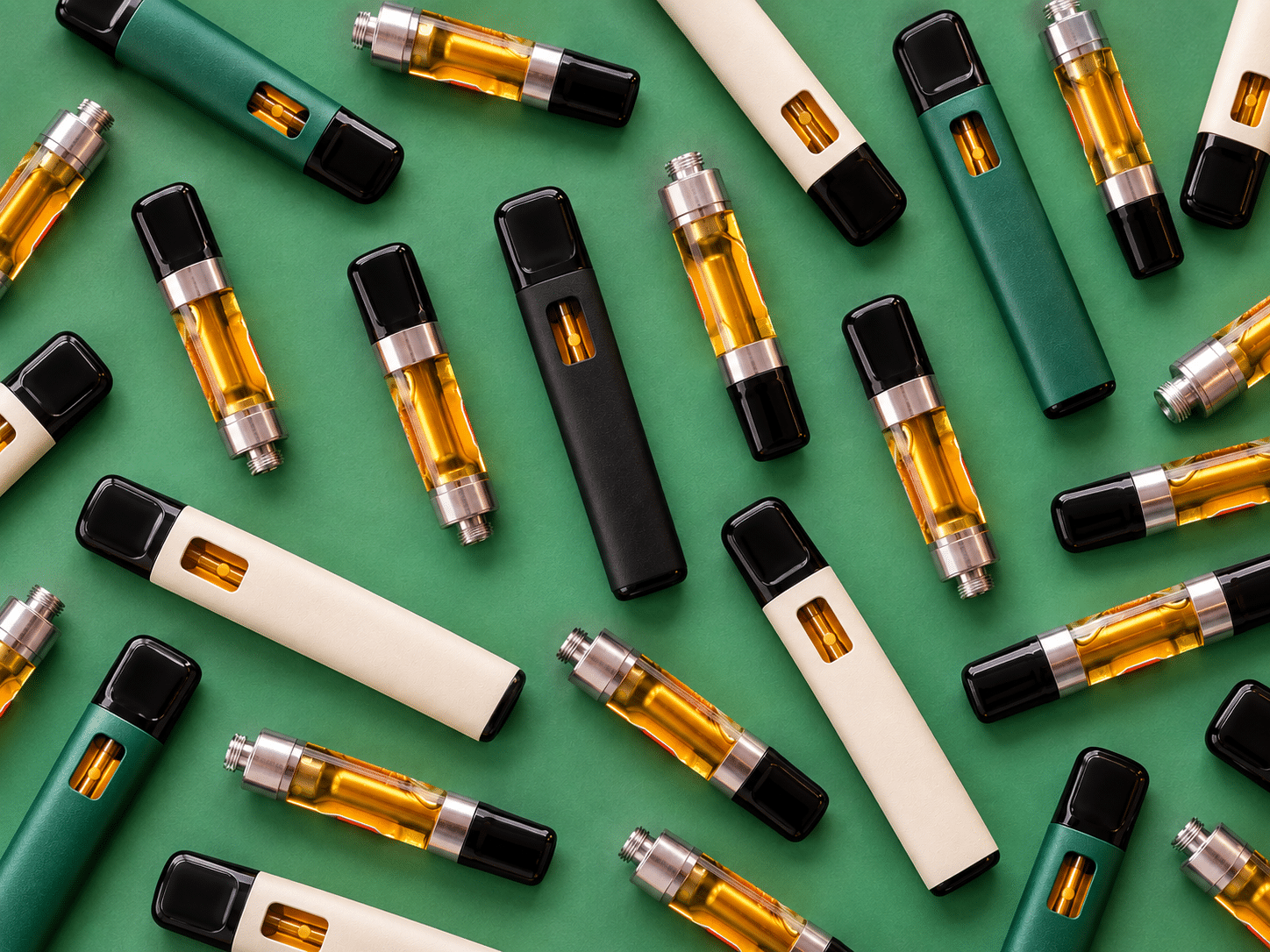
- Vape cartridges
- Concentrates
- Tinctures
- Topicals
- Cannabis beverages
Why does this matter? Because potency is expressed differently depending on the format. A THC percentage on a package of flower shouldn’t be interpreted the same way as the number of milligrams listed on an edible. Understanding the product type gives the rest of the label context.
THC: The Number Everyone Notices First
THC, or tetrahydrocannabinol, is the primary cannabinoid responsible for cannabis’s intoxicating effects.
On cannabis flower, you’ll often see THC expressed as a percentage.
For example: THC: 22%
On products such as edibles or beverages, THC is generally expressed in milligrams instead.
For example: 5 mg THC per serving or 50 mg THC per package
Those numbers mean very different things, which is why it’s important to understand what you’re looking at before comparing products.
Higher THC Doesn’t Automatically Mean Better
This is worth repeating. A product with the highest THC number isn’t automatically the best product on the shelf. THC tells you something about potency, but cannabis contains many compounds, and the overall experience can also be influenced by factors including:
- Other cannabinoids
- Terpenes
- Product format
- Serving size
- Personal tolerance
- Individual body chemistry
Think of THC as one piece of information, not a quality score. If you always shop exclusively by finding the biggest number on the package, you may overlook products you actually prefer.
THC Percentage vs. THC Milligrams
This is one of the most important distinctions for beginners.
Flower and Pre-Rolls
Potency is commonly expressed as a percentage. A flower product labeled 20% THC contains roughly 200 milligrams of THC per gram of flower before accounting for factors such as heating and consumption efficiency. You don’t need to calculate that every time you shop. For most consumers, the percentage simply provides a useful way to compare the relative potency of similar flower products.
Edibles and Beverages
These products are usually measured in milligrams of THC. Here, you want to pay close attention to both:
THC per serving and THC per package
Those numbers aren’t always the same. A package containing 100 mg of THC might contain ten separate 10 mg servings. That’s a very different situation from a single product containing 100 mg intended as one serving. Always check the serving information before consuming.
What About CBD?
THC isn’t the only cannabinoid you may see listed. CBD, or cannabidiol, is another naturally occurring cannabinoid found in cannabis. Unlike THC, CBD isn’t typically associated with intoxicating effects. Depending on the product, you may see labels showing different ratios, such as:
1:1 THC to CBD
That simply means the product contains roughly equal amounts of the two cannabinoids. Other products may contain primarily THC, primarily CBD, or different ratios of multiple cannabinoids. If you want a deeper explanation, our THC vs. CBD Cannabis 101 guide breaks down the differences.
You May See Other Cannabinoids Too
As cannabis products become more detailed, labels may include cannabinoids beyond THC and CBD. You might encounter abbreviations such as:
- CBG
- CBN
- CBC
- THCA
- CBDA
You don’t need to memorize all of these to shop intelligently. For beginners, start by understanding THC and CBD. You can learn the others as you encounter products that contain them. The important thing is recognizing that cannabis is chemically more complex than one THC number.
What Are Terpenes?
If you’ve been following Cannabis 101, you already know this one. Terpenes are aromatic compounds found naturally throughout the plant world, including in cannabis. They contribute to the different aromas and flavors found across cannabis varieties. Depending on the label, you might see terpenes such as:
- Myrcene
- Limonene
- Pinene
- Linalool
- Caryophyllene
A product’s terpene information can help you understand its aroma and flavor profile and give you another way to compare products beyond THC percentage. Our Cannabis Terpenes Explained guide goes much deeper into this topic.
Indica, Sativa & Hybrid
Many cannabis labels categorize flower and related products as:
Indica, Sativa, or Hybrid
These categories have traditionally been used to help describe different cannabis varieties. But they’re not a guarantee of exactly how a product will make you feel. Two products labeled “indica” can have very different cannabinoid and terpene profiles.
That’s why we recommend treating indica and sativa as one piece of information rather than the entire story. If you’re curious, we’ve also covered this in our Indica vs. Sativa beginner’s guide.
Serving Size Matters – Especially With Edibles
If there’s one section of an edible label beginners should never skip, it’s this one.
Look for:
- Serving size
- THC per serving
- Number of servings per package
For example, imagine a package contains:
- 10 gummies
- 5 mg THC per gummy
- 50 mg THC total
The important number for dosing isn’t necessarily the 50 mg printed on the front. It’s the 5 mg contained in each gummy and even one full serving may be more than some beginners want.
Edibles can also take considerably longer to produce noticeable effects than inhaled cannabis, so avoid taking more simply because you don’t feel something immediately. Our Edibles Dosing for Beginners guide covers this in much more detail.
Check the Net Weight or Quantity
Cannabis labels should also tell you how much product you’re purchasing.
For flower, common quantities include:
- 1 gram
- 3.5 grams (⅛ ounce)
- 7 grams (¼ ounce)
- 14 grams (½ ounce)
- 28 grams (1 ounce)
Pre-roll packages may instead tell you the number of pre-rolls and the weight of each. Edibles usually list the number of pieces or servings. Always check quantity when comparing prices. Two products that look similarly priced may contain very different amounts.
Look for Testing Information
Products sold through regulated cannabis markets undergo required testing and labeling processes. Depending on the product and jurisdiction, labels may contain information such as:
- Batch or lot number
- Testing laboratory
- Testing date
- Cannabinoid results
- Contaminant testing
- Manufacturing information
You don’t need to analyze every batch number before buying something. But seeing traceable product information is one of the benefits of purchasing through a regulated cannabis market.
Check the Packaging and Expiration Information
Depending on the product, you may also find:
- Packaging date
- Manufacturing date
- Expiration or best-by date
- Storage instructions
These can be especially useful for products like edibles, beverages, tinctures, and other manufactured cannabis products. For flower, proper storage after purchase also matters. Keep cannabis in a cool, dark place away from excessive heat, light, and moisture.
Pay Attention to Warnings
Cannabis packaging may include required warnings regarding things like:
- Age restrictions
- Impairment
- Pregnancy
- Driving
- Child safety
- Storage
Don’t treat these as meaningless fine print. Cannabis affects people differently, and responsible use starts with understanding the product you’re consuming. Never drive while impaired, and always keep cannabis products securely stored away from children and pets.
Don’t Compare Different Product Types Using One Number
This is probably the biggest lesson in the entire article. You can’t meaningfully compare 25% THC flower with 10 mg THC gummies by simply by looking at the numbers. They’re different products, consumed differently, measured differently, and experienced differently. Instead, compare similar products with similar products. For example: Flower vs. flower. Edible vs. edible. Beverage vs. beverage.
Then use potency, serving size, ingredients, terpene information, price, and your personal preferences to narrow down the choices.
A Simple Beginner’s Label Checklist
When you’re looking at a cannabis product for the first time, ask yourself:
1. What type of product is this?
2. How much THC does it contain?
3. Is that percentage, per serving, or per package?
4. Are other cannabinoids listed?
5. Are terpenes listed?
6. How much product am I actually getting?
7. How many servings are in the package?
8. Is the product properly labeled and tested?
If you can answer those questions, you’re already reading a cannabis label more carefully than many consumers do.
The Bottom Line
Cannabis labels aren’t there just to satisfy regulations. They’re one of the best tools you have for understanding what you’re buying. Instead of choosing a product based solely on the highest THC number or the words “indica” and “sativa,” look at the bigger picture and consider:
Product type + potency + serving size + cannabinoids + terpenes + quantity.
The more familiar you become with those pieces of information, the easier it becomes to compare products and make choices that fit your preferences. And like everything else in Cannabis 101, you don’t need to learn it all at once. Start with the basics and the rest gets easier.
Continue Learning With Local’d Cannabis 101
New to cannabis? Continue with:
THC vs. CBD: What’s the Difference?
Indica vs. Sativa: What’s the Difference?
Flower vs. Pre-Rolls: What’s the Difference & Which Is Right for You?
Cannabis Terpenes Explained: A Beginner’s Guide
Edibles Dosing for Beginners: A Simple, No-Stress Guide
Shopping for Medical Cannabis in Washington, DC?
Local’d provides medical cannabis delivery throughout Washington, DC for registered patients 21+.
Browse our Weed Delivery in DC guide to learn how delivery works, where we deliver, and what to expect when ordering through DC’s regulated medical cannabis market.
For registered medical cannabis patients 21+. Please consume responsibly and never drive while impaired.