If you’ve used cannabis for a while, you may have noticed something interesting: the same amount that once felt like plenty may eventually feel different.
That doesn’t necessarily mean the product changed.
Your tolerance may have.
Cannabis tolerance is one of those terms people use constantly without really explaining what it means, why it happens or why it can vary so much from one person to another. It’s also why comparing your cannabis consumption with someone else’s isn’t particularly useful.
For this edition of Cannabis 101, we’re breaking down what cannabis tolerance actually is, why it can change over time and what people mean when they talk about taking a “tolerance break.”
What Is Cannabis Tolerance?
Tolerance describes a reduced response to a substance after repeated exposure.
With cannabis, someone who uses THC regularly may eventually notice that an amount that previously produced noticeable effects doesn’t feel quite as strong as it once did.
That doesn’t happen exactly the same way, or at the same rate, for everyone.
Frequency of use, amount consumed, THC exposure, product type and individual biology can all play a role.
This is one reason two people can consume the same cannabis product and have completely different experiences.
Why Does Cannabis Tolerance Develop?
THC produces many of its effects by interacting with the body’s endocannabinoid system, particularly cannabinoid receptors known as CB1 receptors.
With frequent THC exposure, the body can adapt to that repeated stimulation. Research has found that chronic cannabis use can be associated with changes in CB1 receptor availability, which can contribute to tolerance.
In simpler terms, your body gets used to THC being around.
That’s why increasing tolerance generally doesn’t mean that cannabis has somehow “stopped working.” Your body’s response to it has changed.
How Quickly Can Cannabis Tolerance Change?
There’s no universal timeline.
Someone who uses high-THC cannabis frequently may experience tolerance differently from someone who consumes a relatively small amount occasionally.
Tolerance can also change when consumption habits change.
This is why statements like “one edible is strong” or “20% THC isn’t enough” don’t mean very much without context.
Strong for whom?
Cannabis response is personal.
Does Having a High Tolerance Mean You’re More Experienced?
Not necessarily.
Tolerance primarily tells you how accustomed someone’s body has become to repeated exposure.
Someone can have years of cannabis experience while consuming relatively infrequently and maintaining a lower tolerance. Another person might develop substantial tolerance over a shorter period because they consume THC frequently.
Experience and tolerance can overlap, but they aren’t the same thing.
And having a high tolerance isn’t a competition.
Why Can Two People React Differently to the Same Product?
This is one of the most important concepts for beginners to understand.
Imagine two people split the exact same cannabis product.
Same brand.
Same batch.
Same THC percentage.
They can still have very different experiences.
Previous cannabis exposure, individual tolerance, metabolism, body composition, consumption method and other biological factors can influence how someone responds.
That’s why someone else’s preferred dose shouldn’t automatically become yours.
Does Product Type Affect Tolerance?
The amount and frequency of THC exposure matter more than simply the category name, but different cannabis products can deliver very different concentrations of THC.
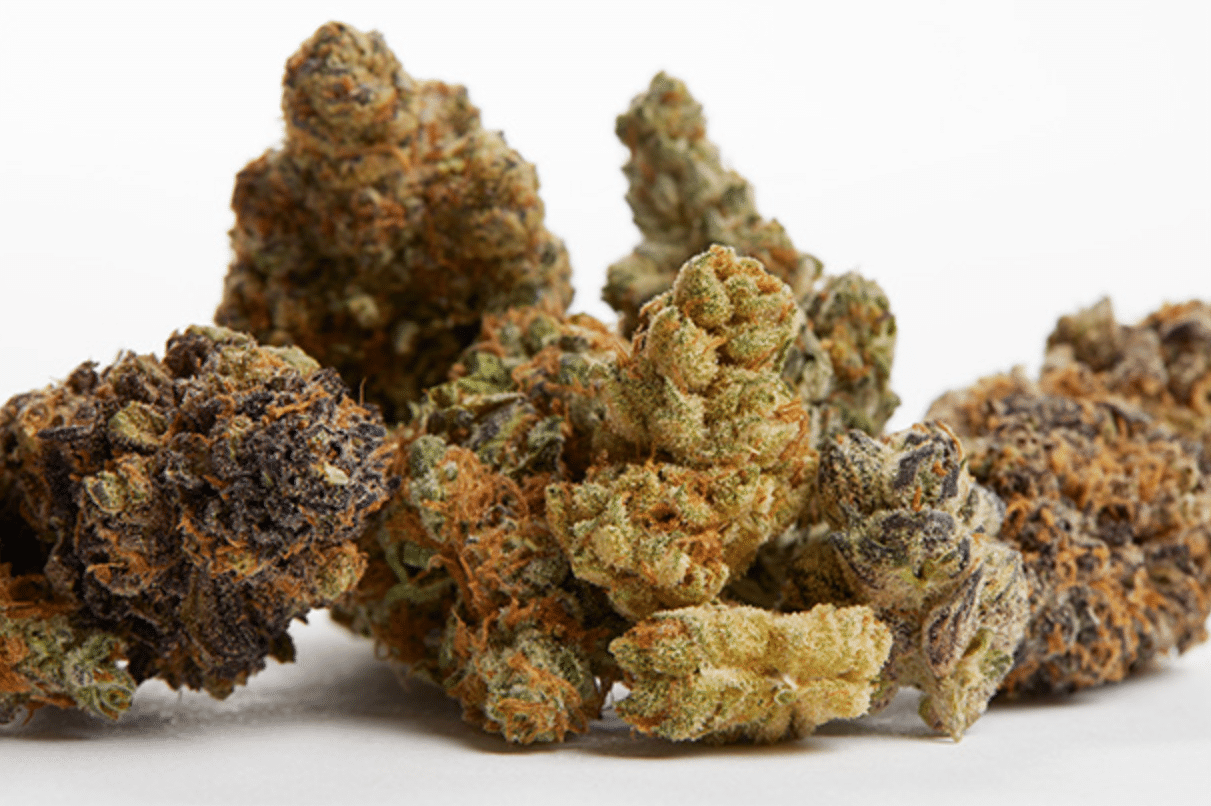
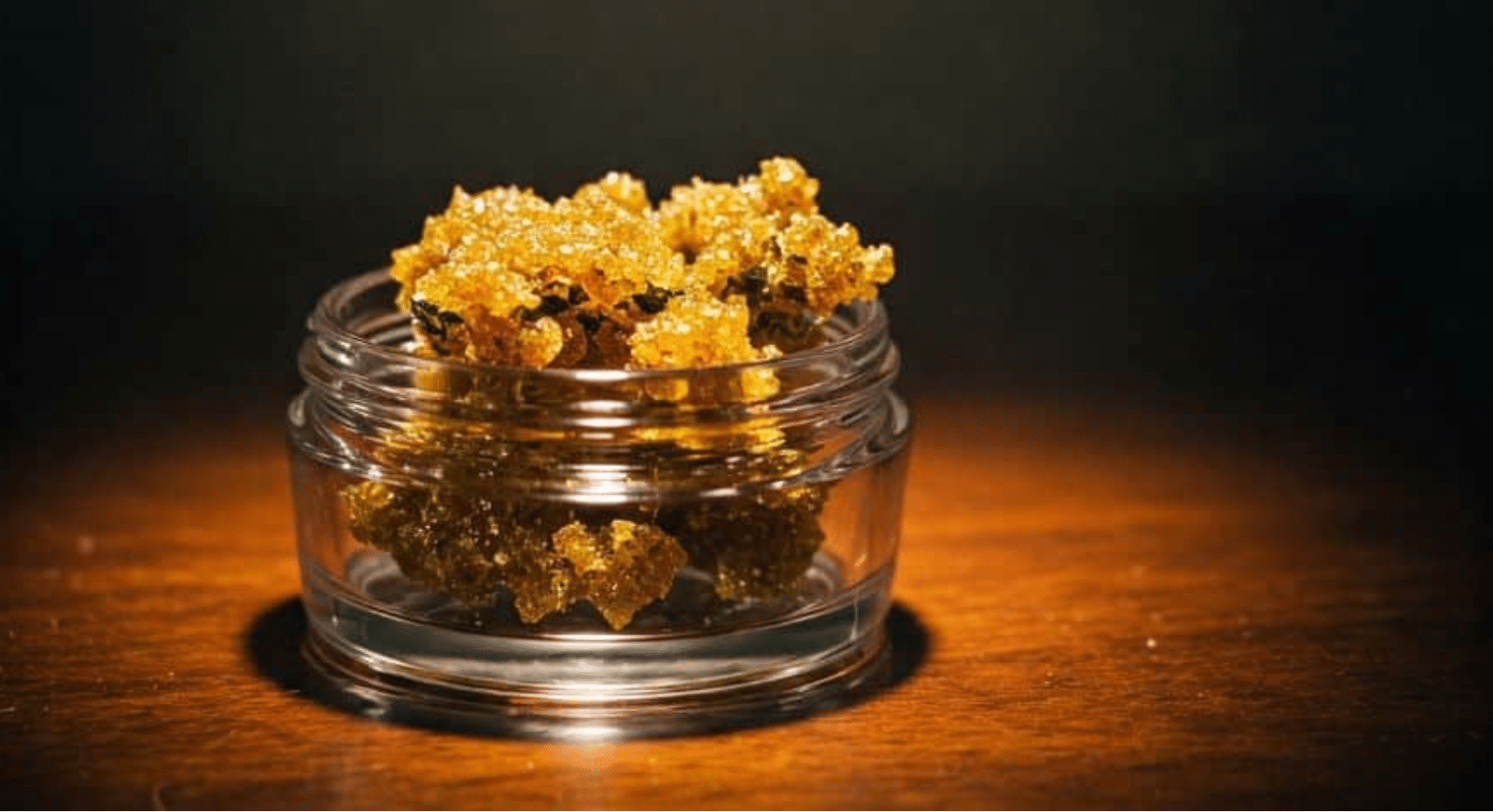
Traditional flower, for example, typically contains lower concentrations of THC than many cannabis concentrates.
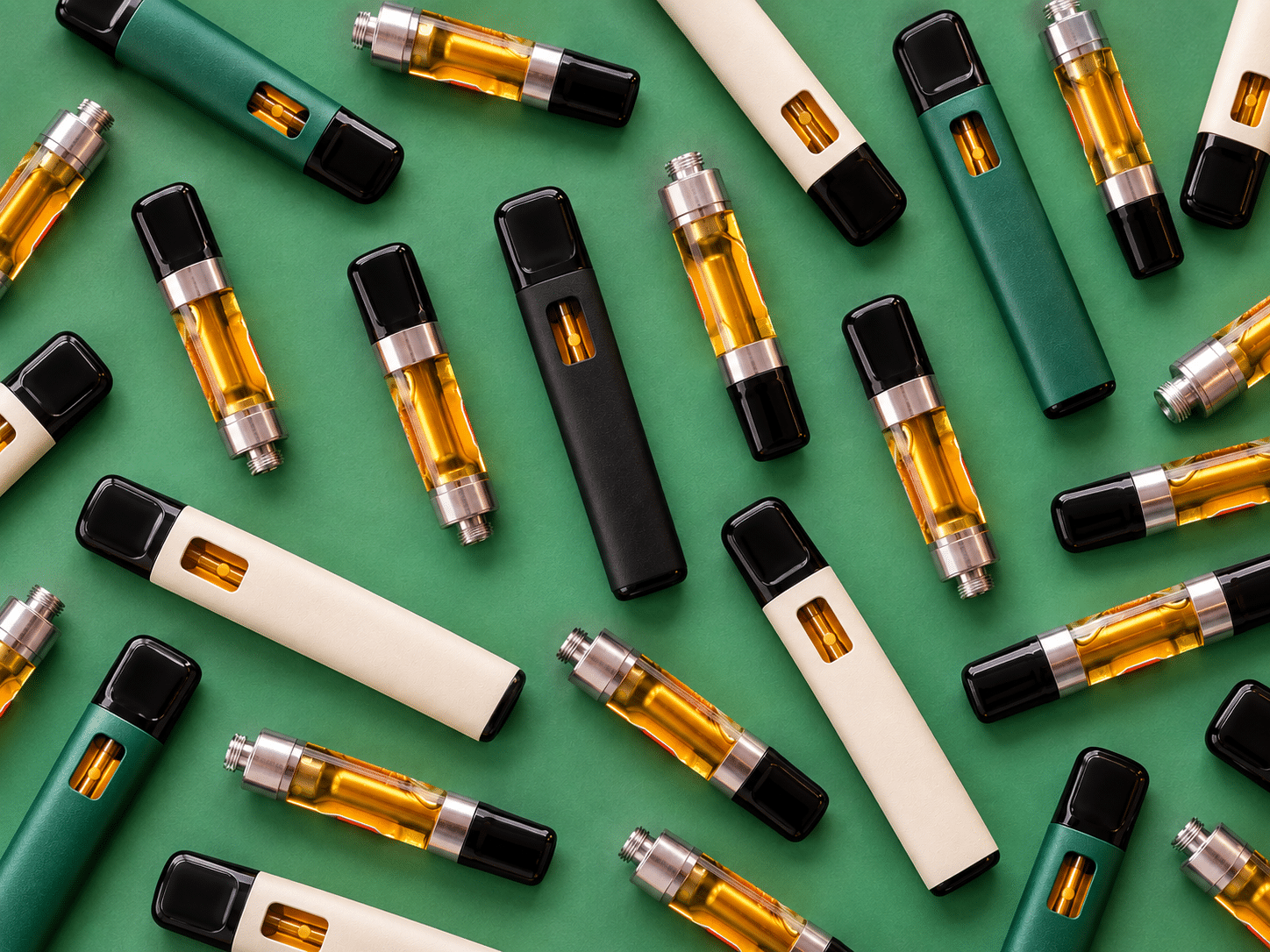
Vape products can also contain concentrated cannabis extracts, while edibles introduce THC through a different route of administration altogether.
That doesn’t mean one format automatically “causes tolerance” and another doesn’t.
It means understanding the actual amount and concentration of THC you’re consuming matters more than assuming all cannabis products are interchangeable.
If you’re unfamiliar with concentrates, our Cannabis Concentrates Explained guide covers why their potency can differ so significantly from traditional flower.
Does Higher THC Increase Tolerance Faster?
Frequent exposure to larger amounts of THC can contribute to tolerance.
That’s another reason we repeatedly tell beginners that higher THC isn’t automatically better.
If someone continually chooses the highest-potency product available because they assume the largest number means the highest quality, they may end up consuming considerably more THC than they actually need.
THC percentage is useful information.
It just isn’t a quality score.
We covered this recently in Cannabis Flower Explained, where we looked at why genetics, terpenes, cultivator and other product characteristics can matter alongside potency.
What Is a Cannabis Tolerance Break?
A tolerance break, often shortened to a T-break, refers to intentionally taking time away from cannabis or THC.
The idea is straightforward: reducing or stopping THC exposure gives the body time away from repeated cannabinoid stimulation.
People take tolerance breaks for many different reasons. Some want to reassess their consumption habits, while others have noticed that their usual products don’t seem to have the same effect they once did.
There isn’t one universally correct length for a tolerance break, and individual responses can vary considerably.
Does Your Tolerance Go Down When You Stop Using Cannabis?
Cannabis tolerance isn’t necessarily permanent.
Research suggests that changes associated with frequent cannabis exposure can begin reversing after cannabis use stops.
How quickly someone’s subjective tolerance changes is going to vary, however, so there isn’t a magic number of days that applies to everyone.
The practical takeaway is simpler:
If you haven’t consumed cannabis for a while, don’t automatically assume your previous tolerance is still the same.
That’s particularly important if you return to a high-potency product after an extended break.
What Happens When You Return After a Tolerance Break?
Your previous consumption habits shouldn’t automatically become your starting point.
If tolerance has decreased, an amount you were accustomed to before the break may feel considerably stronger afterward.
This is one of those situations where the familiar cannabis advice of starting low and going slowly becomes especially useful.
Give yourself time to understand how your body responds rather than assuming you’ll immediately return to exactly where you left off.
Can Switching Strains Reset Your Tolerance?
You’ll sometimes hear people say that simply switching strains “resets” cannabis tolerance.
That’s an oversimplification.
Different strains can certainly contain different cannabinoid and terpene profiles, and those differences may contribute to different subjective experiences.
But changing from one THC-rich strain to another doesn’t eliminate your body’s previous exposure to THC.
A different product may feel different.
That’s not the same thing as resetting tolerance.
Can Switching From Flower to Vapes or Concentrates Reset Tolerance?
Same answer.
Changing the format doesn’t erase THC tolerance.
In fact, some concentrates and vape products contain substantially higher concentrations of THC than flower, so switching formats may actually increase THC exposure depending on how they’re used.
This is why understanding the product matters.
Our Cannabis 101 guides on Disposable Vapes vs. 510 Thread Cartridges and Cannabis Concentrates Explained can help you understand what you’re actually comparing before focusing on potency.
Is a High Cannabis Tolerance Bad?
Tolerance itself isn’t automatically “good” or “bad.”
What matters more is understanding your own consumption and noticing meaningful changes.
If you find yourself continually increasing the amount of THC you’re using simply to achieve the same effect, that may be useful information about how your consumption habits have changed.
Being aware of tolerance allows you to make more intentional decisions instead of automatically assuming you need a stronger product every time something feels different.
Why Tracking What You Use Can Help
You don’t need a cannabis spreadsheet.
But remembering a few basic things can be useful:
What product did you use? How much THC did it contain? What format was it? How much did you consume? How did you respond?
Over time, those details can teach you considerably more about your personal preferences than simply remembering whether a product was labeled indica or sativa.
And if you’re trying an unfamiliar product, reading the packaging matters.
Our How to Read a Cannabis Product Label guide explains some of the cannabinoid, serving and product information you’re likely to encounter.
Cannabis Tolerance Is Personal
One of the biggest themes throughout our Cannabis 101 series has been that cannabis isn’t a one-size-fits-all product.
Tolerance is another perfect example.
Your friend’s preferred THC percentage doesn’t need to become yours.
The person who says an edible “did nothing” doesn’t know how that same edible will affect you.
And someone else’s normal amount shouldn’t automatically become your normal amount.
Understanding your own response is considerably more useful than trying to keep up with somebody else’s.
The Bottom Line
Cannabis tolerance develops when repeated THC exposure changes how the body responds over time.
How quickly that happens can vary based on frequency of use, amount consumed, potency and individual biology.
Tolerance can also decrease when THC exposure is reduced or stopped, which means someone returning to cannabis after a break shouldn’t automatically assume their previous tolerance is unchanged.
Most importantly, needing more THC doesn’t mean you’re getting “better” at cannabis.
Sometimes the smartest cannabis decision isn’t finding something stronger. It’s understanding why the same amount doesn’t feel the same anymore. And that’s exactly the kind of thing Cannabis 101 is here to explain.